
FRP Tubes vs. Steel Tubes: A Comprehensive Comparison
Introduction:
Tubes are used in various industries for the transportation of fluids and gases. Traditionally, steel tubes have been the material of choice due to their high strength and durability. However, with advancements in technology, fiber-reinforced plastic (FRP) tubes are becoming increasingly popular due to their lightweight, corrosion-resistant, and non-conductive properties. This article will compare FRP tubes and traditional steel tubes, examining their advantages and disadvantages, applications, and future trends.
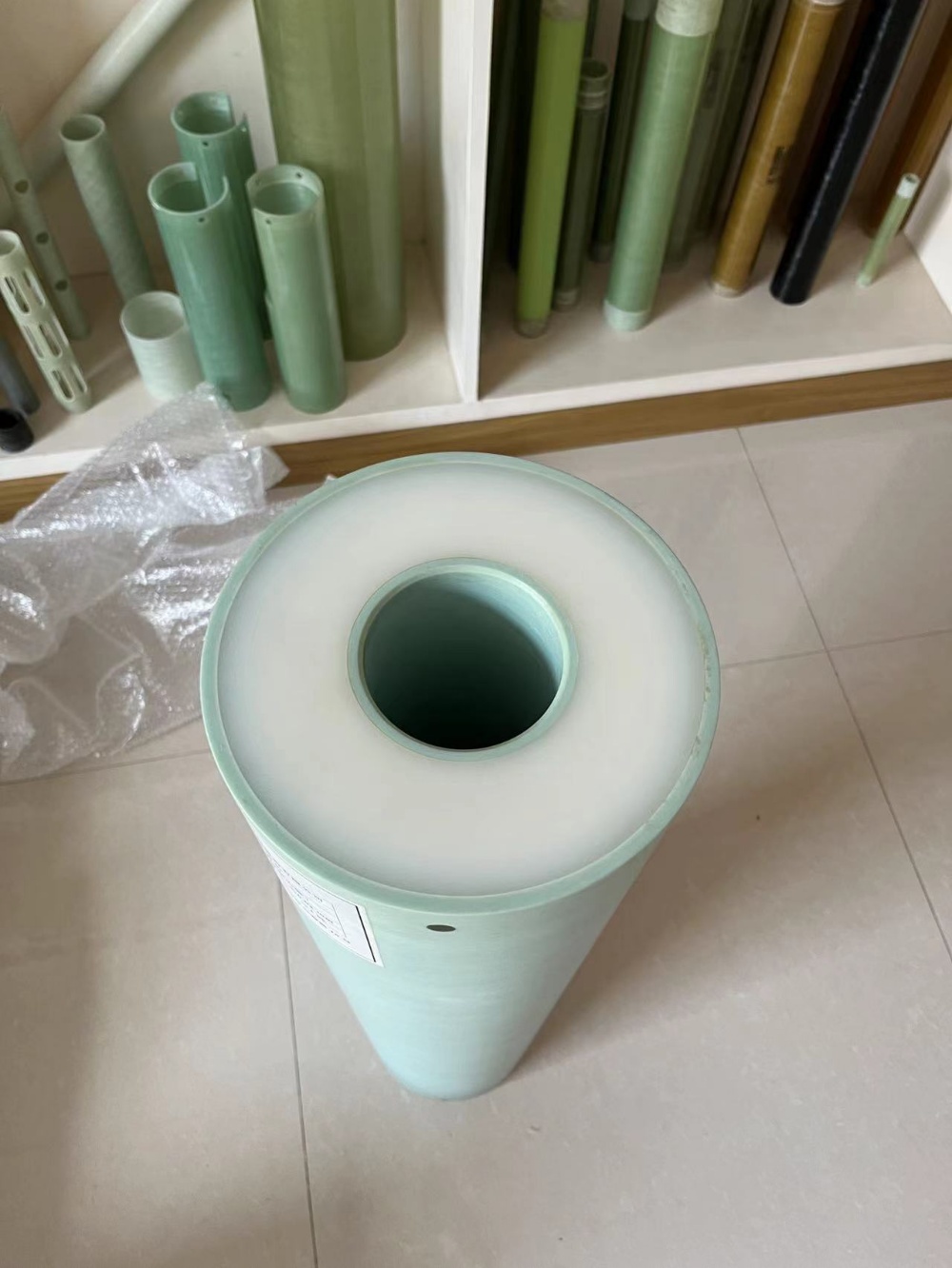
Advantages of FRP Tubes:
Lightweight: One of the primary advantages of FRP tubes over steel tubes is their light weight. FRP tubes weigh only a fraction of what steel tubes weigh, making them much easier to transport and install.
High chemical resistance: FRP tubes have excellent chemical resistance, making them ideal for use in corrosive environments. They can withstand exposure to harsh chemicals, such as acids and alkalis, without corroding or degrading.
Corrosion-resistant: FRP tubes are highly resistant to corrosion, unlike steel tubes, which are prone to rusting and deteriorating over time. This makes FRP tubes a cost-effective solution for transporting hazardous or corrosive fluids.
Easy to install and transport: FRP tubes are easier to install and transport than steel tubes due to their lightweight nature. They also require fewer resources to install, reducing installation costs.
Longer lifespan: FRP tubes have a longer lifespan than steel tubes due to their resistance to corrosion and weathering. They also require less maintenance, making them more cost-effective in the long run.
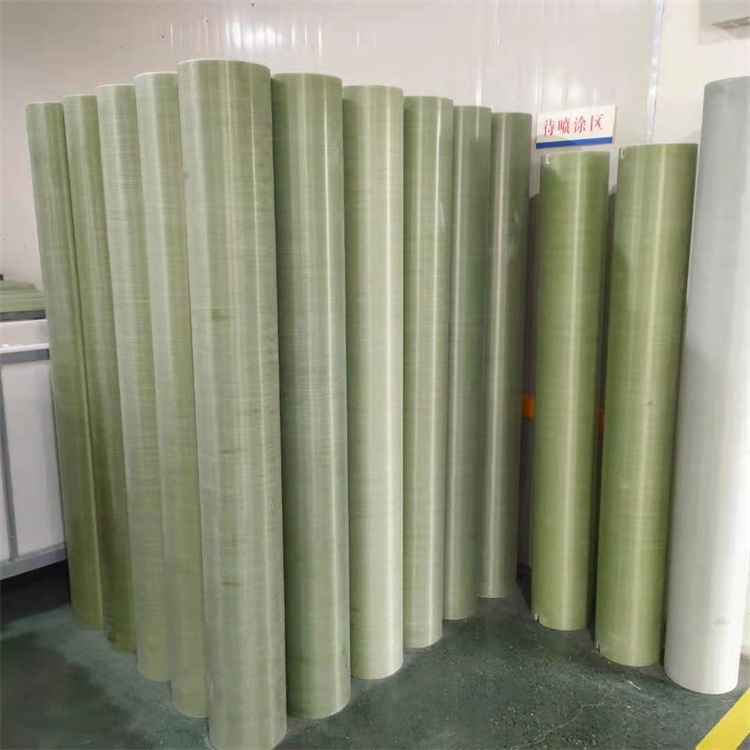
Advantages of Steel Tubes:
Widely available and easy to obtain: Steel is a widely available material, making it easy to obtain and manufacture steel tubes.
Cheaper in terms of material cost: Steel is more affordable than FRP, making steel tubes a cost-effective solution for some applications.
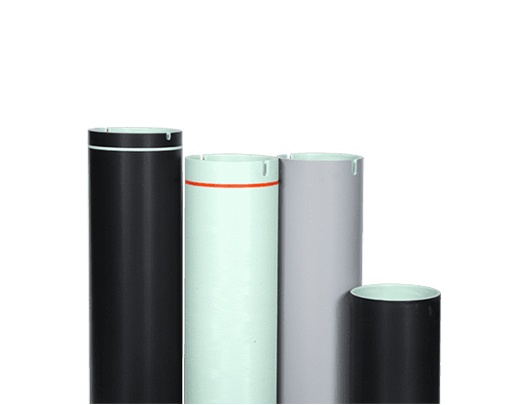
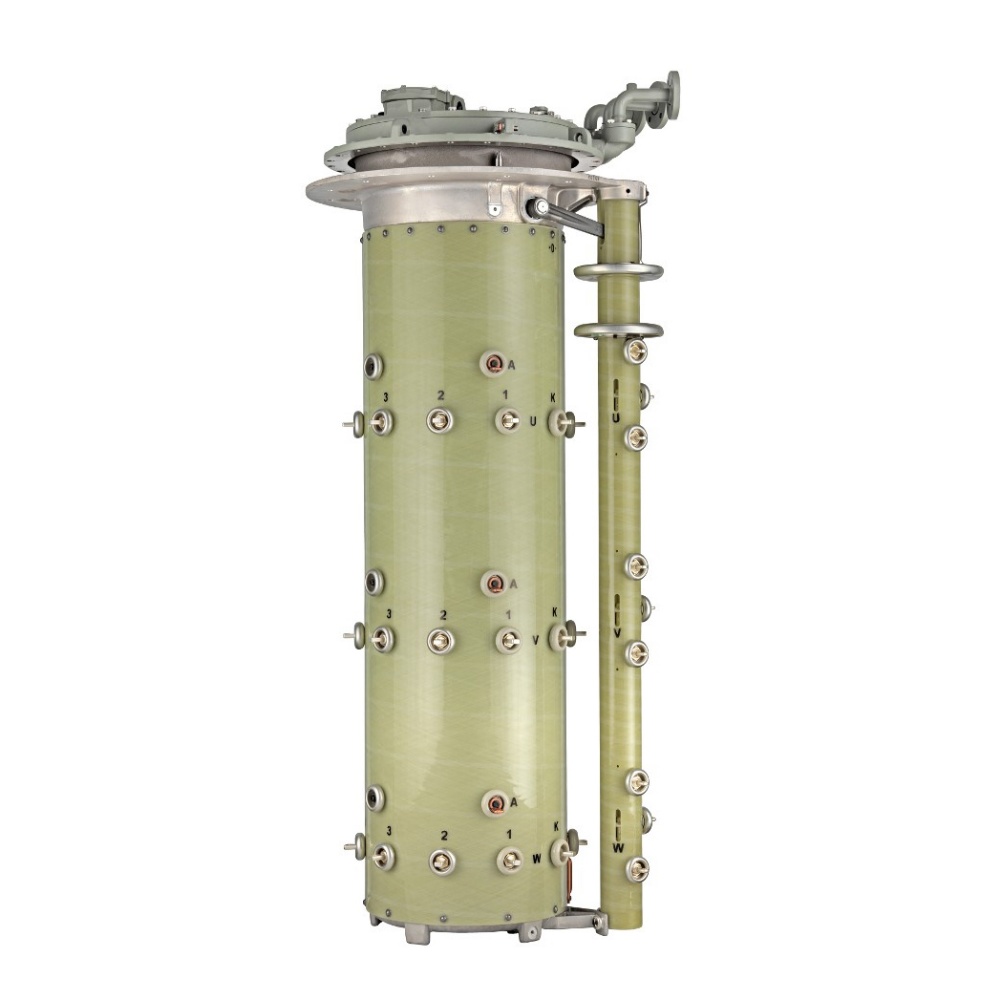
Disadvantages of FRP Tubes:
More expensive compared to steel tubes: FRP tubes are more expensive than steel tubes, primarily due to the cost of the raw materials used to make them.
Not suitable for high-temperature applications: FRP tubes are not suitable for use in high-temperature applications as they can degrade under high temperatures.
Requires skilled labor for installation: FRP tubes require skilled labor to install due to their unique properties, which may increase installation costs.
Disadvantages of Steel Tubes:
Heavy and difficult to transport: Steel tubes are heavy and difficult to transport, requiring specialized equipment and resources to move them.
Prone to corrosion and rusting: Steel tubes are prone to corrosion and rusting, especially when exposed to moisture or corrosive environments.
Conductive, which can cause electrical hazards: Steel tubes are conductive, which means they can cause electrical hazards if used in certain applications.
Applications of FRP Tubes:
Oil and gas industry: FRP tubes are often used in the oil and gas industry for transporting fluids due to their resistance to corrosion and ability to withstand harsh environments.
Water and wastewater treatment: FRP tubes are well-suited for use in water and wastewater treatment plants due to their resistance to chemicals and corrosive environments.
Power generation: FRP tubes are used in power generation facilities for cooling water and other applications that require resistance to corrosion and high temperatures.
Aerospace and defense: FRP tubes are used in aerospace and defense applications due to their lightweight nature and resistance to corrosion.
Applications of Steel Tubes:
Transportation industry: Steel tubes are used in the transportation industry for a range
Comparison table of FRP tube and streel tube
| Parameters | FRP Tubes | Steel Tubes |
|---|---|---|
| Material Properties | ||
| Density | Low | High |
| Strength | High stiffness and strength-to-weight ratio, but lower tensile strength than steel | High tensile strength |
| Corrosion resistance | Excellent resistance to chemical corrosion and rust | Prone to rust and corrosion without protective coating |
| Conductivity | Non-conductive | Conductive |
| Heat Resistance | Limited resistance to high temperatures | High resistance to high temperatures |
| Weather Resistance | Susceptible to UV radiation and weathering | Resistant to weathering |
| Manufacturing Process | ||
| Cost | More expensive than steel tubes | Cheaper than FRP tubes |
| Manufacturing Time | Longer manufacturing time due to complex manufacturing process | Shorter manufacturing time |
| Production Ability | Limited range of sizes available | Wide range of sizes available |
| Installation and Maintenance | ||
| Installation | Requires skilled labor for installation | Requires specialized tools and equipment for installation |
| Maintenance | Low maintenance required due to excellent corrosion resistance | Requires ongoing maintenance to prevent rust and corrosion |


